As parents and educators, our instinct is often to protect children from failure. We want them to succeed, get the right answer, and feel confident. But in the rapidly changing landscape of the 21st century, protecting kids from failure might actually be holding them back.
In the world of STEM (Science, Technology, Engineering, and Mathematics), getting the answer wrong isn’t a bad thing—it is an essential part of the process.
We call this “Failing and Fixing.” It is one of the most critical soft skills a student can learn, fostering resilience, critical thinking, and a growth mindset that lasts a lifetime.
The Science of Stumbling: It’s Called Iteration
In a traditional math class, if a student gets a red “X” on a problem, it signals that they stopped learning. In STEM, a red “X” is just the beginning of the journey.This is rooted in the Engineering Design Process. Engineers rarely build a perfect bridge or write perfect code on the first try. They build, they test, they fail, and then they analyze the data to make it better.
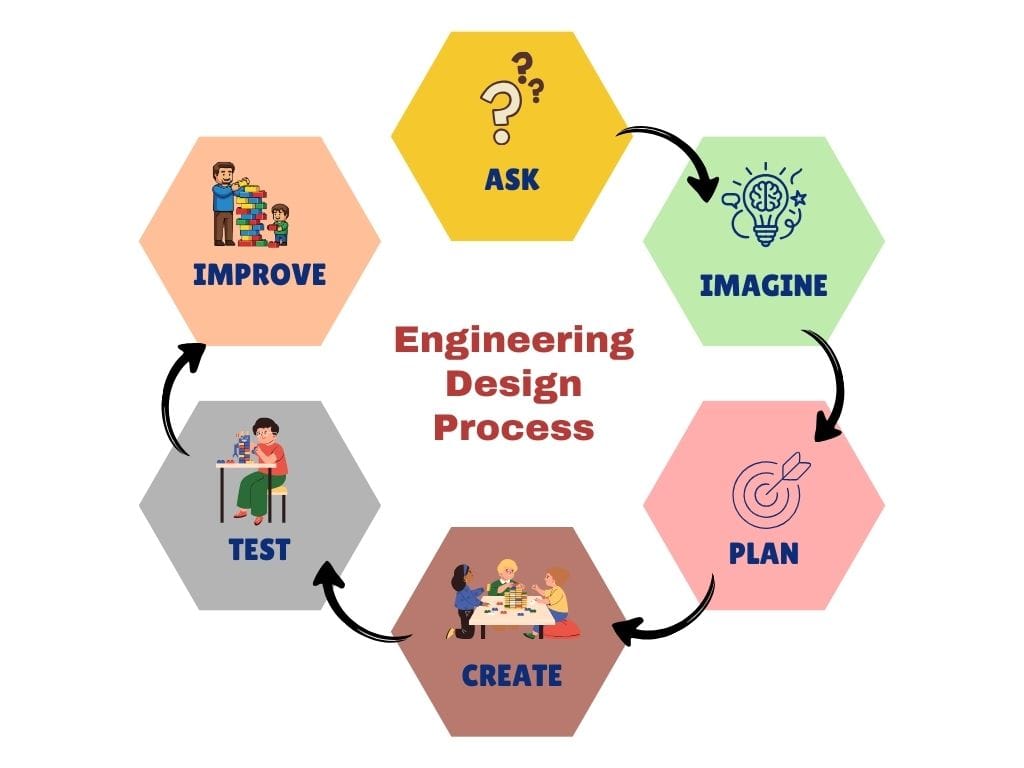
When a student in our classes builds a robot that tips over or writes code that doesn’t run, they aren’t failing. They are gathering data. This shifts their perspective from “I’m not smart enough” to “My design needs a tweak.” This process—iteration—is the heartbeat of innovation.
Building Resilience Through “Safe” Failure
One of the key requirements for ELOP (Expanded Learning Opportunities Program) and modern educational standards is Social Emotional Learning (SEL). Why? Because the workforce of the future doesn’t just need smart workers; it needs resilient ones.
Failing and fixing teaches children two things:
- Emotional Regulation: How to handle frustration without giving up.
- Perseverance: The understanding that effort leads to improvement.
When a child realizes that the world doesn’t end when their project breaks, they unlock curiosity. Instead of shutting down, they ask, “Why did that happen?” and “How can I fix it?” This is the essence of 21st Century Skills.
The Problem with Traditional Grading
Why is it so hard to teach this in a regular classroom? Because in many schools, failure has high stakes. It affects GPAs and report cards. This creates a risk-averse environment where students are afraid to raise their hands or try a creative solution for fear of being “wrong.”To truly learn collaboration and risk-taking, students need a “low-stakes” environment where the goal isn’t a grade—it’s a working solution.
How Our Classes Create Opportunity for “Failing Forward”
This is where our programs shine. We don’t just teach coding or robotics; we provide a training ground for character. Our classes are designed specifically to turn frustration into fascination.
Here is how we do it:
- We Celebrate the “Fix”: Our instructors are trained not to give immediate answers. When a student is stuck, we ask guiding questions like, “What have you tried so far?” or “Which part of the code do you think is causing the glitch?” This forces the student to practice critical thinking.
- Collaboration Over Competition: In the real world, you don’t solve problems alone. We group students together so they can troubleshoot as a team. They learn that “fixing” is often a group effort, building vital collaboration skills.
- Process Over Product: While we love seeing the final robot run, we praise the persistence it took to get there. We highlight the moments where students failed, adjusted, and tried again.
Give Your Child the Space to Grow
Intelligence is important, but resilience is what makes intelligence useful. By giving your child the opportunity to experience “failing and fixing” in a supportive, fun, and hands-on environment, you are preparing them for more than just a STEM career—you are preparing them for life.
Ready to unlock your child’s potential?
Check out our upcoming schedule to see how our hands-on STEM classes can help your child build confidence, curiosity, and the courage to fail forward.